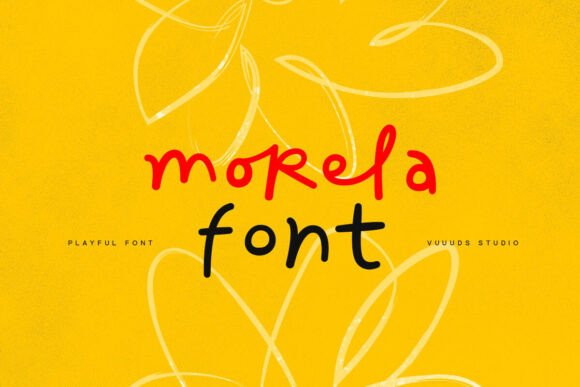
Morela: A Sweet Handfont for Modern Design
Imagine a typeface that feels like a handwritten note from a friend—warm, inviting, and instantly personal. This is the essence of Morela, a sweet and friendly handwritten font that has become a go-to resource for designers seeking to inject authenticity and charm into their work. Its natural, flowing style makes it incredibly versatile, bridging the gap between casual elegance and professional polish. In a digital landscape often dominated by sterile, geometric fonts, Morela offers a human touch that resonates deeply with audiences.
Why Morela Matters in Contemporary Graphic Design
Modern graphic design thrives on connection. Visual communication must not only inform but also engage and evoke emotion. Typography plays a pivotal role in this, setting the tone for a brand’s voice before a single word is read. Morela, with its unique handwritten aesthetic, excels at creating a sense of approachability and creativity. It moves beyond mere decoration; it becomes a core component of brand identity, helping businesses and creators tell a more compelling visual story. Whether used for a logo, a social media post, or a product label, this font contributes to a memorable and cohesive design system.
Practical Applications Across Creative Projects
The true strength of a creative asset like Morela lies in its adaptability. Its style is fitting for a vast pool of designs, limited only by imagination. Here’s how it can be effectively integrated into various projects:
- Branding and Logo Design: Establish a friendly, approachable brand personality. Morela can serve as a primary logotype for boutique businesses, artisanal products, or personal brands where authenticity is key.
- Marketing and Social Media Graphics: Capture attention in crowded feeds. Its handwritten nature breaks the monotony of standard fonts, making quotes, calls-to-action, and promotional banners feel more personal and engaging.
- Website and UI Design: Use it strategically for headings, hero text, or decorative elements to add warmth. Pair it with a clean sans-serif for body text to maintain excellent readability and a modern aesthetic.
- Editorial and Packaging Design: Enhance magazines, blogs, or product packaging with a touch of artistry. It works beautifully for titles, pull quotes, or product names, adding a crafted feel to the final presentation.
- Digital Products and Presentations: Elevate e-books, online courses, or slide decks. Using a distinctive font like Morela for key points or section headers improves visual hierarchy and makes content more memorable.
Integrating Typography into Your Design Workflow
Selecting the right font is just the first step. To maximize its impact, consider these practical design principles. First, consistency is crucial. Define clear guidelines for when and how to use Morela within your brand system to maintain a unified look. Second, always test for readability and scalability. While beautiful, handwritten fonts should be used thoughtfully, often at larger sizes for headlines rather than lengthy body paragraphs. Third, think about visual hierarchy. Use Morela to draw the eye to the most important information, creating a clear path for the viewer. Finally, ensure it complements your color palette and imagery. Its warm tone often pairs well with soft, natural color schemes and organic imagery, but it can also create an intriguing contrast with bold, modern elements.
Thoughtful design choices are what separate good projects from great ones. Investing in quality creative assets like a versatile typeface empowers you to communicate more effectively, strengthen your brand’s visual identity, and connect with your audience on a human level. In the end, the goal is to create designs that are not only seen but felt, and the right typography is a powerful tool to achieve that resonance.