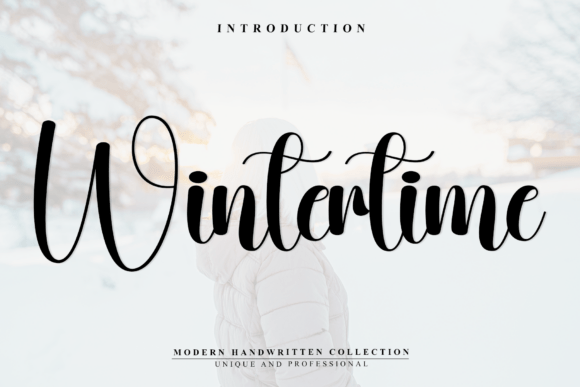
Wintertime Font: A Cheerful Handwritten Style for Modern Design
Imagine a typeface that feels like a friendly smile on a cold day—approachable, clear, and full of personality. That’s the essence of the Wintertime font. This tall, friendly display typeface features a charmingly uneven monoline weight and a slightly condensed structure, giving it a straightforward yet warm character. In a design landscape often saturated with rigid geometric sans-serifs and overly formal serifs, Wintertime offers a refreshing, human touch that can instantly elevate the emotional resonance of a project.
From a professional graphic design perspective, the value of a typeface like Wintertime lies in its ability to bridge the gap between casual authenticity and polished communication. Its clean vertical lines ensure excellent readability, while the subtle imperfections in its stroke convey genuineness and approachability. This makes it an exceptionally versatile creative asset for designers, marketers, and brand builders aiming to craft visuals that connect on a human level without sacrificing clarity or professionalism.
Practical Applications Across Creative Projects
The true strength of Wintertime is its adaptability across a wide spectrum of design contexts. Its playful yet structured personality makes it ideal for projects that require a strong, clear, and genuinely cheerful handwritten style. Consider these practical applications:
- Branding and Logo Design: For brands targeting families, children, or lifestyle markets, Wintertime can serve as a primary or secondary logo typeface. It injects personality into a brand identity system, making logos feel more personal and memorable.
- Marketing Materials: Use it for headlines on flyers, posters, or digital ads to grab attention with warmth. Its readability ensures key messages are communicated effectively, even at a glance.
- Social Media Content: Perfect for positive quotes, Instagram stories, or Pinterest graphics. The font’s cheerful vibe enhances engagement and helps content stand out in crowded feeds, aligning with modern visual design trends.
- Website and UI Design: While not for body text, Wintertime excels in hero sections, call-to-action buttons, or navigation labels for sites with a casual, creative, or youthful aesthetic. It can improve user experience by adding a friendly layer to the interface.
- Packaging and Editorial Design: On product labels for artisanal goods or in children’s book layouts, it adds a handcrafted, authentic feel. In editorial spreads, it can be used for pull quotes or section headers to break the monotony of standard body fonts.
Integrating Wintertime into Your Design Workflow
When incorporating any distinctive font into a professional project, thoughtful evaluation is key. To use Wintertime effectively, consider its compatibility with your existing design system. It pairs well with neutral sans-serifs or clean serifs for body text, creating a balanced visual hierarchy where Wintertime draws the eye for key messages.
Always test the font at the intended size and across different media to ensure scalability and legibility. For digital applications, check its rendering on various screens. In print, consider the paper stock and printing method. A crucial tip is to use it sparingly for maximum impact—overusing a display font can diminish its effectiveness and clutter the visual communication.
Ultimately, the choice of typography is a fundamental decision in visual design that directly influences brand perception and user engagement. A font like Wintertime is more than just a creative asset; it's a tool for storytelling. By selecting typefaces that align with your project’s goals and audience expectations, you ensure that every element of your design, from color palette to composition, works in harmony. Investing in quality, versatile resources like this allows you to streamline your design workflow while consistently producing work that is both aesthetically pleasing and powerfully communicative.