Molly & Elroy: A Bold Handwritten Font for Modern Design
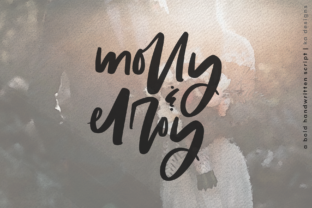
Every designer knows the power of a typeface that doesn’t just sit on the page but commands attention, creating an immediate emotional connection. Molly & Elroy is a bold handwritten font with a contemporary twist. It will turn any design idea into a true eye catcher! This typeface blends the organic warmth of hand-lettering with a modern, confident structure, making it an invaluable creative asset for projects that demand personality and impact.
The Role of Distinctive Typography in Visual Communication
In a crowded visual landscape, generic fonts often fail to communicate a brand's unique voice. Typography is a cornerstone of visual hierarchy and brand identity. A choice like Molly & Elroy moves beyond simple legibility to convey tone, mood, and character. Its bold weight ensures readability at a glance, while the handwritten style injects authenticity and approachability. This combination is particularly effective for creating a strong first impression, whether in digital marketing or print design.
Understanding how such a font fits into a broader design system is key. It shouldn’t be used for body text, but rather as a strategic accent for headlines, logos, and call-to-action elements. When paired with a clean, neutral sans-serif or serif font, Molly & Elroy creates a dynamic visual hierarchy that guides the viewer’s eye and enhances overall user experience.
Practical Applications for Creative Projects
The versatility of a bold handwritten font allows it to elevate a wide range of creative work. Its contemporary twist ensures it feels fresh and relevant, avoiding a overly casual or childish aesthetic.
- Branding & Logo Design: Ideal for brands seeking a human-centric, approachable, yet confident identity. It works beautifully for logos, wordmarks, and brand collateral in industries like lifestyle, beauty, food, and boutique services.
- Marketing & Social Media Graphics: Creates scroll-stopping headlines for Instagram posts, Facebook ads, and digital banners. Its visual impact can significantly improve engagement rates and click-throughs.
- Web & UI Design: Use sparingly for hero section headlines, promotional banners, or button labels to add a touch of personality without compromising the overall user interface clarity.
- Editorial & Packaging Design: Perfect for magazine mastheads, article titles, book covers, and product packaging where a craft-inspired, premium feel is desired.
- Advertising & Presentations: Makes key messages in print ads, flyers, and slide decks more memorable and visually engaging, ensuring your main points are noticed.
Tips for Effective Implementation
Integrating a distinctive font like Molly & Elroy requires thoughtful application to maintain professionalism and clarity. Here are key considerations for your design workflow:
- Ensure Readability and Scalability: Test the font at various sizes. While bold, ensure letterforms remain clear, especially for critical information. Avoid using it for long paragraphs or small, dense text.
- Maintain Visual Harmony: Pair it with simpler typefaces. A common strategy is to use Molly & Elroy for one primary element (like a main headline) and a complementary font for supporting text to create a balanced composition.
- Consider Audience and Context: Evaluate if the font’s style aligns with your target audience’s expectations and the project’s tone. It excels in contexts valuing creativity and warmth but may be less suited for ultra-corporate or highly technical communications.
- Respect Brand Consistency: If used within a brand identity system, define clear guidelines for its application—specifying where, when, and how it should be used to maintain a cohesive look across all touchpoints.
Thoughtful design choices are what separate good projects from great ones. Selecting a creative asset like Molly & Elroy is about more than just aesthetics; it’s about strategically enhancing communication and forging a stronger connection with your audience. By leveraging such quality typography with intention, designers and creators can transform their work, ensuring it is not only seen but felt, ultimately improving both the visual impact and the effectiveness of any creative project.