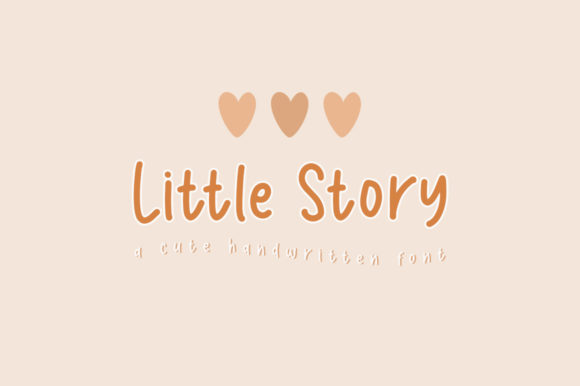
Little Story: A Handwritten Font for Authentic Design
In a digital landscape often dominated by clean, geometric typefaces, a single, well-chosen handwritten font can transform a design from merely professional to genuinely personal. Little Story is that kind of font—sweet, quirky, and friendly, its natural flow and unique character offer an immediate sense of warmth and approachability. For graphic designers, marketers, and creators seeking to inject personality and authenticity into their visual communication, this typeface provides a versatile and compelling tool. Its charm lies in its ability to feel both personal and polished, making it a valuable asset in any design workflow.
Understanding the Power of Personality in Typography
Typography is the voice of your design. While sans-serifs and serifs provide structure and authority, a handwritten font like Little Story conveys emotion and story. In modern graphic design, where building a relatable brand identity is crucial, this style of typeface excels at humanizing digital interfaces and printed materials. It speaks directly to the viewer, creating an instant connection that more formal fonts cannot. This makes it an excellent choice for projects aiming to foster trust, creativity, or a sense of community.
Practical Applications for Creative Projects
The versatility of Little Story allows it to shine across a multitude of design assets and platforms. Its natural, readable style ensures it enhances rather than overwhelms a composition. Consider its application in these key areas:
- Branding and Logo Design: Ideal for lifestyle brands, boutique shops, cafes, or any business wanting a friendly, approachable logo. It pairs beautifully with simple icons or alongside a neutral sans-serif for balance.
- Marketing & Social Media Graphics: Use it for quotes, call-to-action buttons, or header text on Instagram posts, Facebook ads, and Pinterest pins to increase engagement and stop the scroll.
- Web Design & UI Elements: Perfect for specific UI components like buttons, promotional banners, or blog post titles where a touch of personality improves the user experience without sacrificing readability.
- Packaging & Editorial Design: Adds a crafted, artisanal feel to product labels, book covers, magazine pull quotes, or recipe cards, enhancing the perceived value and visual hierarchy.
- Digital Products & Presentations: Makes e-book covers, course materials, or slide decks more engaging and memorable, helping to maintain audience interest.
Tips for Effective Integration
When incorporating a font like Little Story into your design projects, thoughtful application is key to maintaining a professional presentation. First, consider consistency; use it for key headings or accent text rather than entire paragraphs to preserve its impact and ensure legibility. Second, pay attention to color palette compatibility. A handwritten font often looks best with soft, complementary colors or high-contrast backgrounds that let its details shine. Finally, always test for scalability. Ensure the font remains clear and charming at both large display sizes and smaller point sizes for captions or subheadings.
Ultimately, the goal of any creative project is to communicate a message effectively and memorably. Tools like the Little Story font are more than just decorative elements; they are strategic assets in your visual design toolkit. By selecting typefaces that align with your brand's personality and your audience's expectations, you craft a cohesive and compelling narrative. Thoughtful design choices, supported by high-quality creative resources, don't just make things look better—they make communication clearer, more engaging, and infinitely more human.