Gingermilk: The Minimalist Font for Modern Design
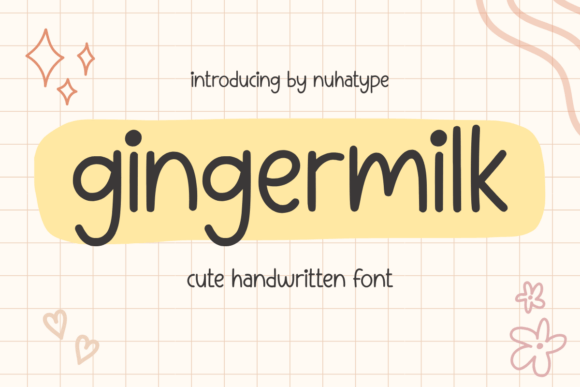
In a digital landscape saturated with bold graphics and complex layouts, the quiet power of authentic, human-centered design is making a compelling comeback. For designers seeking to inject warmth, sincerity, and a personal touch into their projects, Gingermilk emerges as a standout choice. This cute, minimalist, thin handwritten font mirrors the charm of natural handwriting, offering a simplistic allure that can transform ordinary designs into emotionally resonant experiences.
The Role of Authentic Typography in Visual Communication
Typography is the voice of design. The right typeface doesn't just display words; it conveys tone, personality, and intent. In modern graphic design, where user experience and brand authenticity are paramount, fonts like Gingermilk play a crucial role. Its thin, handwritten style breaks the rigidity of standard sans-serifs, creating an immediate connection with the viewer. This makes it exceptionally effective for projects that aim to feel personal, approachable, and crafted with care.
When evaluating a typeface for a project, consider its emotional impact. A font's weight, style, and texture contribute to the overall visual hierarchy and can guide the user's eye in subtle ways. A minimalist handwritten font like Gingermilk excels in creating focal points for key messages without overwhelming the broader design system, making it a versatile tool in a designer's typography toolkit.
Practical Applications for the Gingermilk Font
The true value of a creative asset lies in its versatility. Gingermilk's clean, legible thin lines make it adaptable across a wide spectrum of creative projects, enhancing both digital and print design workflows.
- Branding and Logo Design: For boutique brands, wellness studios, artisanal products, or personal blogs, Gingermilk can form the foundation of a brand identity that feels genuine and handcrafted. It pairs beautifully with simple geometric shapes and a soft color palette.
- Marketing Materials and Social Media: Elevate social media graphics, email headers, and digital ads. Its legibility at smaller sizes makes it perfect for quotes, calls-to-action, and promotional copy in Instagram stories or Pinterest pins.
- Editorial and Print Design: Use it for subheadings in magazines, pull quotes in articles, or chapter titles in books. It adds a dynamic, conversational layer to editorial layouts.
- Packaging and Product Design: In packaging design, a handwritten font can communicate the artisanal quality of the product inside. It's ideal for labels on cosmetics, candles, or gourmet foods.
- Digital Products and UI/UX: Incorporate it thoughtfully in user interfaces for apps or websites focused on lifestyle, journaling, or planning. It's perfect for button text, navigation labels in a creative context, or onboarding screens that need a friendly tone.
Integrating a Handwritten Font into Your Design Workflow
Successfully using a distinctive font like Gingermilk requires strategic thinking. Always prioritize readability and scalability. Test the font in the context of your entire design to ensure it complements, rather than competes with, other visual elements like imagery and color.
- Pair Thoughtfully: Combine Gingermilk with a clean, neutral sans-serif font for body text. This creates a balanced visual hierarchy, where the handwritten font highlights key information and the sans-serif ensures effortless reading.
- Consider Context: Use it where its personality shines—headlines, quotes, and short phrases. Avoid using it for large blocks of running text, where its charm can become a distraction.
- Maintain Brand Consistency: If you adopt it for a brand, define clear usage guidelines. Specify its role in the brand's typography system to ensure consistency across all touchpoints, from web design to print collateral.
Ultimately, the most impactful design choices are those that align with the project's goals and audience expectations. A resource like Gingermilk is more than just a decorative element; it's a tool for storytelling. By selecting creative assets that enhance both aesthetics and clarity, designers and creators can craft more engaging, memorable, and effective visual communications that resonate on a human level.