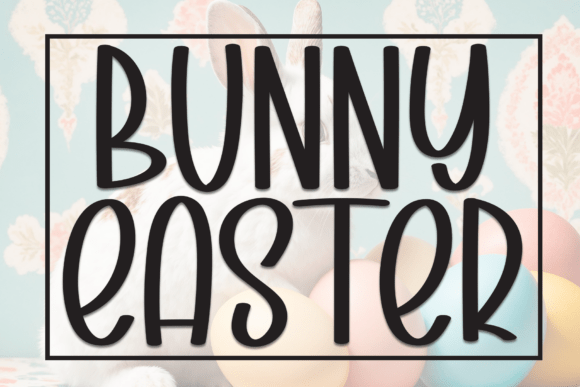
Bunny Easter: The Handwritten Font for Joyful Design
Every designer knows the power of a single font choice to transform a project from ordinary to unforgettable. For projects that demand warmth, personality, and a touch of playful charm, the right typeface becomes your most valuable creative asset. This is where the Bunny Easter handwritten display font enters the scene, offering a unique blend of whimsy and sophistication that can elevate a wide range of visual communication.
Understanding the Role of Handwritten Fonts in Modern Design
In a digital landscape often dominated by clean sans-serifs and rigid serifs, handwritten fonts like Bunny Easter provide a crucial human touch. They break the visual monotony, inject emotion, and create an immediate connection with the viewer. This font isn't just about letters; it's about conveying a specific mood—joyful, hospitable, and delightfully personal. Its value lies in its ability to soften corporate branding, add authenticity to artisanal products, and make digital interfaces feel more approachable, directly impacting user experience and brand perception.
Practical Applications Across Creative Projects
The versatility of a well-crafted display font allows it to serve multiple functions within a design system. Bunny Easter’s playful aesthetic makes it particularly effective for specific applications where character and charm are paramount.
- Branding and Logo Design: Ideal for businesses in the hospitality, baking, children's products, or boutique lifestyle sectors. It can form the core of a brand identity that feels friendly and memorable.
- Marketing Materials: From flyers for a spring event to social media graphics promoting a sale, this font captures attention and conveys a specific, cheerful tone that standard fonts cannot.
- Website and UI Design: Use it strategically for headlines, call-to-action buttons, or accent text in web design to guide the user's eye and create moments of delight within a structured layout.
- Editorial and Packaging Design: Enhances book covers, magazine pull quotes, or product packaging with a handcrafted feel, adding perceived value and helping products stand out on shelves.
Tips for Selecting and Using Display Fonts Effectively
Integrating a font with such a strong personality requires thoughtful execution to maintain professionalism and ensure clear communication. Here are key considerations for designers and creators:
- Prioritize Readability and Hierarchy: A display font should command attention but not at the cost of legibility. Use Bunny Easter for short bursts of text—headlines, titles, or logos—and pair it with a clean, simple body font for paragraphs. This creates a clear visual hierarchy that guides the reader effortlessly.
- Ensure Contextual Appropriateness: Evaluate if the font's personality aligns with your project's goals and audience expectations. Its joyful nature is perfect for celebratory designs but may not suit a formal corporate report.
- Test for Scalability and Versatility: Check how the font renders at various sizes, from a small social media icon to a large printed banner. Ensure its charm is preserved across different media, whether in print design or digital screens.
- Maintain Brand Consistency: If used within a brand system, document its proper usage. Define which brand colors and complementary typography it should be paired with to create a cohesive and professional presentation across all touchpoints.
Ultimately, the most successful design projects are built on intentional choices. Selecting a creative asset like the Bunny Easter font is about more than just aesthetics; it's a strategic decision to communicate a specific emotion and enhance the overall narrative of your work. By thoughtfully integrating such resources, designers and creators can produce visuals that are not only beautiful but also deeply resonant and effective, ensuring their message is received with the intended warmth and clarity.